

Tinnitus Treatment: What Helps Ringing in the Ears?
- Nov 13, 2026
- 5 min read
Tinnitus treatment depends on what may be causing the sound and how much it affects your life. There is no single option that works for everyone. A clinician can look for a treatable cause, check your hearing, and help you compare options such as hearing aids when hearing loss is present, cognitive behavioral therapy (CBT), or sound enrichment. The American Academy of Otolaryngology-Head and Neck Surgery's 2026 guideline focuses on adults with persistent, bothersome tinnitus and recommends an individualized evaluation and follow-up. AAO-HNS tinnitus guideline
What is tinnitus?
Tinnitus is hearing a sound without an outside source. People describe it as ringing, buzzing, humming, hissing, or clicking. It can be temporary or persistent, and it may affect sleep, concentration, or mood. Tinnitus is a symptom, so an evaluation looks at the full picture rather than treating the sound as a diagnosis by itself. ENT Family's tinnitus information
When should ringing in the ears be checked urgently?
If ringing starts along with a sudden drop in hearing, seek immediate medical care. Sudden hearing loss can happen over hours or a few days and may also come with ear fullness, dizziness, or tinnitus. The National Institute on Deafness and Other Communication Disorders describes sudden deafness as a medical emergency; do not wait for a routine appointment to see if it clears on its own. NIDCD: Sudden Deafness
For tinnitus that is persistent or bothersome, arrange a non-emergency evaluation. Mention if the sound is mainly in one ear, pulses with your heartbeat, changes over time, or began after a medication change, injury, or loud-noise exposure. These details help the clinician decide what evaluation is appropriate.
What happens during a tinnitus evaluation?
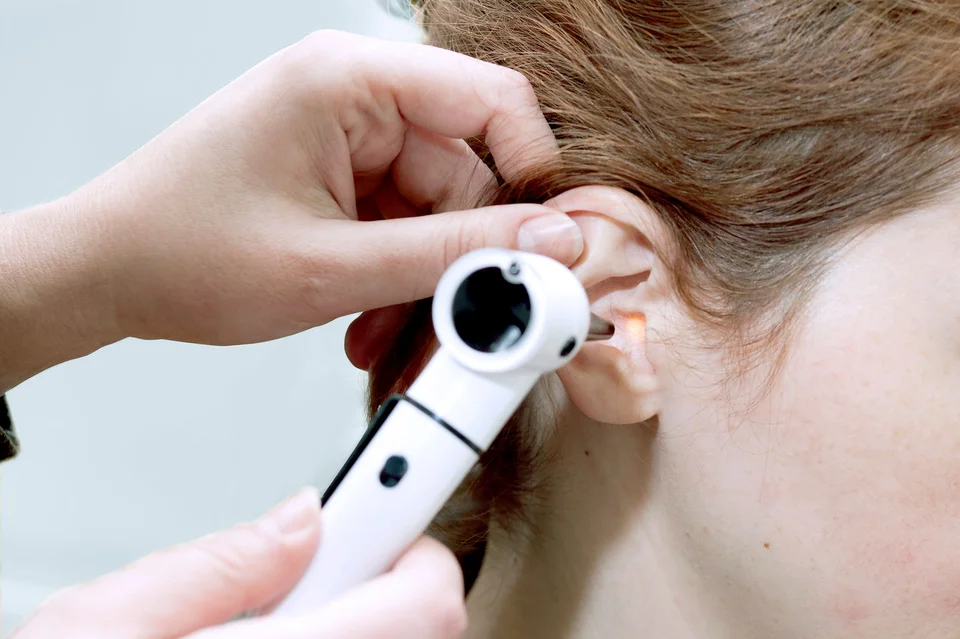
The 2026 AAO-HNS guideline recommends a targeted medical history and physical examination and a comprehensive hearing evaluation for adults with tinnitus. Your clinician may ask when the sound began, whether it is constant or intermittent, how it affects daily activities, and whether you have hearing changes, dizziness, ear pressure, or sound sensitivity. They may also review medications and noise exposure.
Imaging is not routinely recommended just to investigate tinnitus. A clinician can decide whether particular findings call for imaging or another referral. The guideline also recommends distinguishing bothersome tinnitus from tinnitus that is present but does not affect quality of life, so care can match the person's needs. AAO-HNS guideline summary
Which tinnitus treatments may help?
Treatment starts with any cause the evaluation identifies. For example, treating an ear condition or addressing a medication concern may be appropriate in some cases. Do not stop a prescription medicine on your own; ask the prescribing clinician whether it could be contributing to tinnitus.
For adults with persistent, bothersome tinnitus:
- Hearing aids: The guideline recommends a hearing-aid evaluation when tinnitus occurs with hearing difficulty. Amplification may make communication easier and can reduce the contrast between tinnitus and surrounding sound for some people.
- Cognitive behavioral therapy: The guideline recommends CBT to help people manage the distress and daily impact of persistent, bothersome tinnitus. CBT does not mean the sound is imaginary; it is a structured way to work on how symptoms affect thoughts, sleep, and behavior.
- Sound enrichment: The guideline says clinicians may recommend sound enrichment. This can include adding comfortable background sound, with the approach selected for the person and their hearing needs.
- Follow-up: The guideline recommends checking and documenting how an intervention is working so the plan can be adjusted over time.
The guideline recommends against routinely using medicines, dietary supplements, or repetitive transcranial magnetic stimulation for the primary purpose of treating persistent, bothersome tinnitus. It also allows clinicians to offer bimodal neuromodulation in some cases. Ask your clinician which options fit your situation and what evidence supports them; do not assume that a device, supplement, or advertised "cure" is appropriate for you. AAO-HNS guideline
Questions to ask an ENT about tinnitus
Consider bringing these questions to your appointment:
- What might be contributing to my tinnitus?
- Should I have a hearing test, and what will it tell us?
- Are there signs that point to a condition needing additional evaluation?
- Which options are supported for my symptoms and hearing profile?
- How will we tell whether a treatment is helping?
- Could any medicine or recent noise exposure be relevant?
ENT Family has a tinnitus information page and sees ear, nose, and throat patients in Hollywood, Florida. Review the practice's tinnitus information or contact the office to ask about an evaluation.
Frequently asked questions
Can tinnitus be cured?
It depends on the cause. Some causes can be treated, while tinnitus may persist for others. Care can still help address hearing difficulty and the effects tinnitus has on daily life. An evaluation can help set realistic expectations.
Do supplements stop tinnitus?
The 2026 AAO-HNS guideline recommends against dietary supplements for the primary purpose of treating persistent, bothersome tinnitus. Discuss supplements with a clinician, especially if you take other medicines.
Does tinnitus always mean hearing loss?
No. Tinnitus can occur with hearing loss, but it can also have other causes. A hearing evaluation is one part of understanding an individual's symptoms.
This article summarizes adult guidance and does not replace an individualized evaluation.